
Industries
Omnichannel demand for retail and manufacturing brands.
Product companies sell through distributors, big-box retail, marketplaces, and increasingly their own storefronts — often with fragmented messaging and no single view of demand. We unify digital strategy so every channel reinforces the same value proposition and measurable pipeline.
20+ Product companies
+55% B2B inquiry uplift
Full Channel attribution
6 Featured reviews
The challenge
Sound familiar?
- Distributor partners send buyers to outdated product pages with PDF spec sheets buried three clicks deep
- Sales reps manually answer the same RFQ questions because self-serve configurator and comparison tools don't exist
- DTC ambitions stall on catalog complexity, ERP integration, and fear of alienating wholesale accounts
- Trade show leads sit in spreadsheets with no nurture or attribution to campaigns that actually drove the booth traffic
- Retail co-op dollars get spent on generic brand ads with no tie to regional sell-through or SKU-level performance
Overview
Digital demand systems for complex product go-to-market
Manufacturers and retail brands face a channel conflict paradox: distributors want leads, retailers want velocity, and leadership wants DTC margin — all while engineering owns spec sheets and marketing owns a website last updated three years ago.
We map your go-to-market reality first — direct, two-step distribution, hybrid retail — then build digital infrastructure that serves buyers where they are. That might mean a gated distributor portal, a consumer-facing product finder that routes to retail partners, or a B2B RFQ funnel with CRM integration for regional reps.
Catalog scale is a technical and UX problem, not just a content problem. Filtered navigation, downloadable assets, compatibility data, and localized pricing or availability messaging need architecture that scales without breaking search or site speed.
Attribution across channels is messy but not impossible. Promo codes, partner-specific landing pages, geo tests, and CRM source discipline give leadership a clearer picture of which programs drive pipeline vs. which just generate activity reports.
Capabilities
How we help retail & manufacturing brands grow
Multi-channel product hubs
Unified product data serving consumers, dealers, and procurement teams with role-appropriate paths and assets.
Consistent product story
Spec sheets & asset libraries
Searchable downloads, CAD files, and compliance documentation — gated or open based on your channel strategy.
Self-serve technical sales
B2B RFQ & rep routing
Qualification forms that capture project scope and assign inquiries to the right regional or distributor contact.
Faster quote turnaround
DTC & B2B commerce
Storefronts with account tiers, bulk pricing, and integration hooks for inventory and fulfillment systems.
New revenue channels
Technical SEO
Category and application pages targeting how engineers and buyers search for components and solutions.
Organic pipeline
Partner enablement kits
Co-branded landing pages, campaign templates, and tracking for distributor marketing programs.
Aligned channel partners
Buyer journey
How your customers decide
01
Specification or need
Procurement, contractors, or consumers define requirements — capacity, compatibility, compliance certs, or retail availability.
02
Vendor shortlist
Buyers compare spec sheets, lead times, warranty, distributor networks, and total cost of ownership.
03
Quote & sample
RFQs, dealer locators, sample requests, and technical pre-sales calls validate fit before volume orders.
04
Order & reorder
Purchase through distributor, retail partner, or direct portal — reorder friction and support access drive loyalty.
Recommended services
The right mix for retail & manufacturing
Website Design
Product catalog sites, distributor portals, and RFQ flows built for technical buyers and scale.
E-Commerce
B2B and DTC storefronts with account pricing, bulk order logic, and ERP-friendly integrations.
Lead Generation
Trade show follow-up, gated content, and paid programs targeting procurement and specifier audiences.
CRM Solutions
Pipeline design connecting marketing inquiries to regional reps and distributor partners.
Deliverables
What a typical engagement includes
- Go-to-market and channel conflict assessment
- Product information architecture and taxonomy
- Website, portal, or storefront design and build
- RFQ, sample request, or dealer locator implementation
- CRM pipeline design with rep and partner routing
- Trade show lead capture and nurture playbook
- Technical SEO and category content roadmap
- Monthly reporting on inquiries, RFQs, and channel contribution
Channels & tactics
Where we focus for retail & manufacturing
Product & spec intent
Google Search
B2B targeting LinkedIn
Industry authority
Trade publications
Partner marketing
Distributor co-op
RFQ follow-up
Email nurture
Lead capture
Trade shows
Results
Related work & outcomes
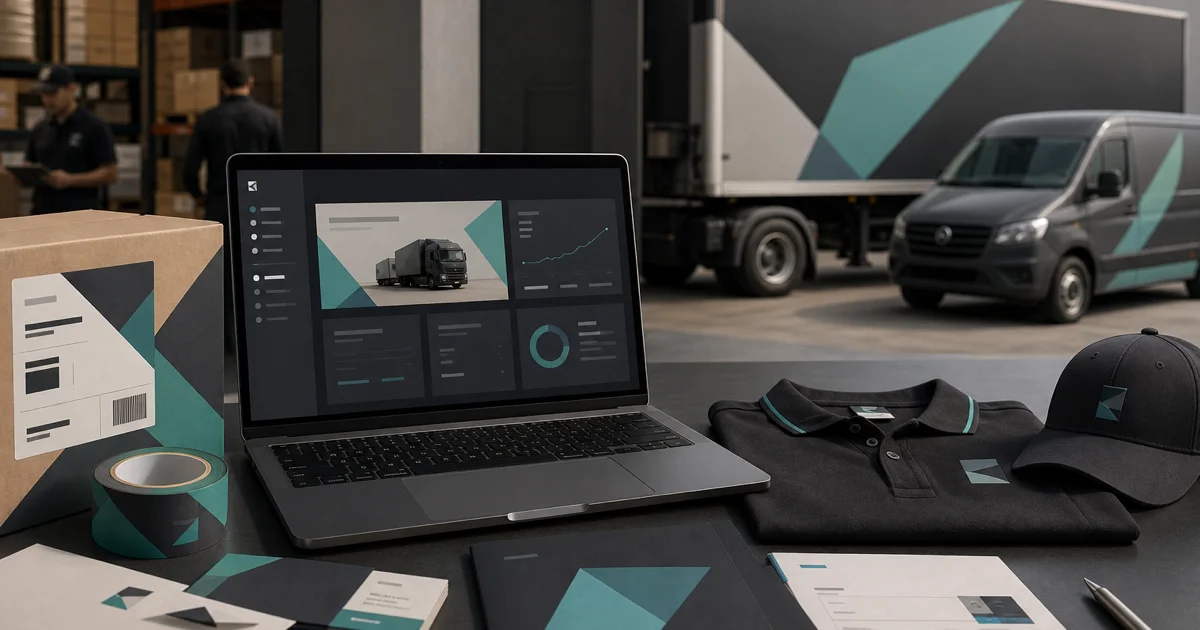
Manufacturing sales enablement
HubSpot connected to website forms, chat, and trade show lead imports with full source attribution.
Full source attribution
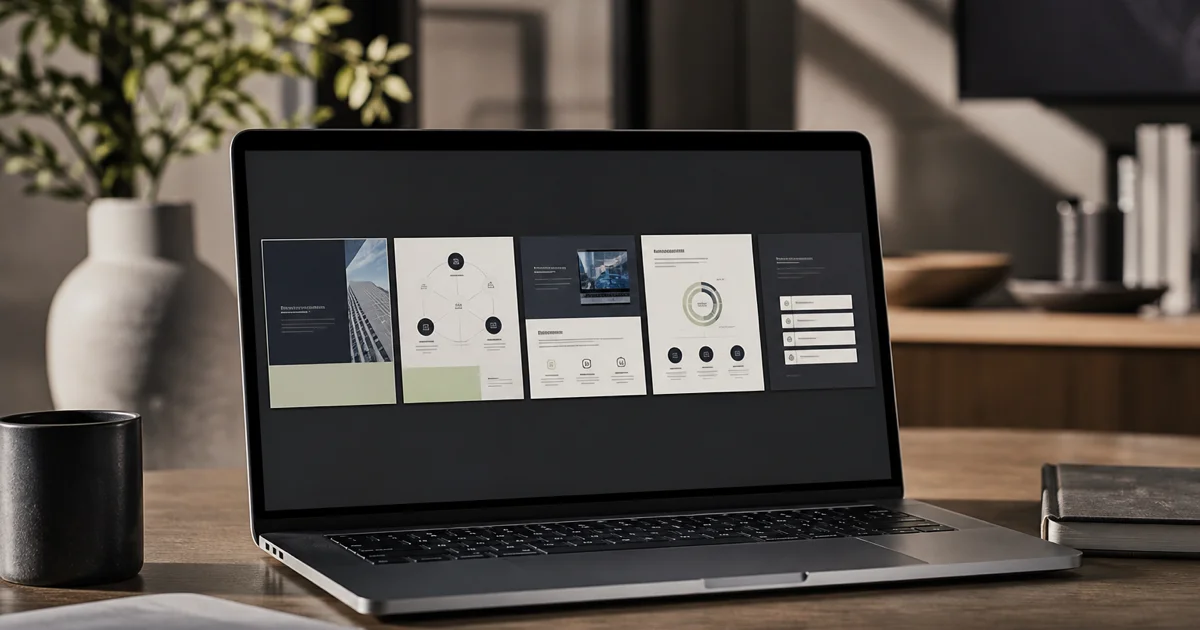
Industrial equipment catalog replatform
Filterable product database with spec downloads and regional rep routing.
+55% qualified RFQs
Consumer appliance DTC pilot
Shopify launch alongside retail locator and warranty registration flows.
12% DTC margin contribution
Our process
How we partner with retail & manufacturing brands
01
Discover
Sector audit, competitor review, and buyer research — grounded in how your market actually decides.
02
Plan
Channel mix, messaging, and KPIs aligned to your industry's sales cycle and compliance needs.
03
Build
Web, campaigns, and content produced with sector-specific proof and conversion paths.
04
Grow
Optimize, report, and scale what works — with benchmarks relevant to your vertical.
Related sector
Manufacturing vs. consumer goods marketing
CPG brands optimize for cart conversion and repeat purchase; manufacturers often sell through intermediaries who need enablement, spec accuracy, and RFQ workflows. If your buyers are households choosing brands on shelf or DTC, consumer goods playbooks may fit better.
Related industries
Explore more sectors
Consumer Goods
Shelf space and ad spend no longer guarantee velocity. Consumer brands need distinctive storytelling, shoppable digital …
Transportation & Logistics
Logistics buyers don't impulse-buy — they evaluate coverage, certifications, on-time performance, and whether your sales…
Banking & Financial
Financial buyers evaluate security, regulatory standing, and clarity long before they submit an application. We build co…
FAQs
Common questions about retail & manufacturing marketing
Can you build both B2B portals and consumer product sites?
Yes. Many clients need a public product catalog, a gated distributor area, and a consumer path to retail partners — we architect shared data with distinct experiences.
How do you handle channel conflict with distributors?
Strategy first. DTC pilots, lead routing to partners, and geo rules are business decisions we implement technically — we don't unilaterally bypass your channel agreements.
Do you integrate with ERP or PIM systems?
Integration scope varies. We work with your IT team on APIs, feeds, and sync frequency — or phase manual catalog updates while integrations are built.
Can you support trade show marketing end-to-end?
Pre-show landing pages, badge scan workflows, post-show nurture, and attribution to booth ROI — connected to CRM, not spreadsheet limbo.
What e-commerce platforms do you use for B2B?
Shopify Plus, BigCommerce B2B, and custom builds depending on catalog complexity, pricing rules, and integration requirements.
How do you create content for technical products?
We interview product managers and engineers, translate specs into buyer language, and route accuracy review to your SMEs before publish.
Do you run LinkedIn campaigns for industrial brands?
Yes — account-based and job-title targeting for specifier and procurement audiences, with landing pages matched to campaign intent.
What's a realistic timeline for a catalog replatform?
12–16 weeks for mid-size catalogs with clean data; longer when PIM integration and migration are in scope. Phased launches by product line are common.