
Industries
Operational clarity online for logistics brands.
Logistics buyers don't impulse-buy — they evaluate coverage, certifications, on-time performance, and whether your sales team understands their lane. Your website should answer operational questions in seconds, not bury capabilities under corporate fluff.
11+ Logistics clients
+48% Qualified RFQ uplift
18min Avg. quote response SLA
6 Featured reviews
The challenge
Sound familiar?
- Websites list services generically without vertical-specific proof for food, pharma, automotive, or hazmat shippers
- RFQ forms ask for everything upfront, so procurement abandons before sales even knows they visited
- Sales teams win on relationships but marketing can't arm them with case studies, lane maps, or spec sheets
- Local SEO is ignored even though shippers search 'freight broker near [city]' and 'LTL carrier [region]'
- Rebrands after M&A leave duplicate location pages, broken tracking numbers, and confused brand hierarchy online
Overview
B2B demand systems built for how shippers choose carriers
Transportation and logistics marketing fails when it reads like a trucking brochure from 2005 — vague claims about 'reliability' without lanes, equipment, compliance credentials, or a frictionless path to a quote.
We translate operational reality into marketing assets: equipment types, service corridors, transit times, compliance certs, and SLA differentiators — structured so procurement can self-qualify before they tie up your dispatch team on unfit leads.
Quote funnels are designed for how logistics actually sells — lane, mode, weight class, timeline, and special handling captured progressively, with CRM routing to the right regional rep or broker desk. Speed-to-quote is a conversion metric, not just a sales KPI.
Content targets vertical and lane intent — 'refrigerated freight Midwest', 'cross-border Mexico trucking', 'last-mile furniture delivery' — so organic and paid traffic arrives with context, not generic 'contact us' curiosity clicks.
Capabilities
How we help transportation & logistics brands grow
Mode & equipment pages
Dedicated pages for FTL, LTL, intermodal, refrigerated, and specialized equipment — with specs shippers need to qualify you.
Self-qualified inquiries
Lane & corridor marketing
Geographic coverage maps and corridor landing pages targeting regional shipper search intent.
Relevant organic traffic
Vertical industry proof
Case studies and compliance callouts for food, pharma, retail, and industrial verticals you actually serve.
Credibility with procurement
Smart RFQ funnels
Progressive quote forms capturing lane, mode, and cargo details — routed to the right sales desk instantly.
Faster quote turnaround
Technical & local SEO
Optimization for '[mode] freight [region]' queries and multi-location GBP management.
Shippers find you first
Sales enablement integration
CRM-connected lead alerts, quote SLA tracking, and source attribution per lane and vertical campaign.
Marketing-sales alignment
Buyer journey
How your customers decide
01
Capacity or lane need
Shippers face seasonal spikes, new routes, or carrier failures — triggering searches for mode-specific providers in target corridors.
02
Capability screening
Equipment, insurance, certifications (FDA, C-TPAT, hazmat), and on-time metrics filter vendors before RFQ.
03
Quote comparison
Procurement requests rates from 3–5 carriers; response speed, clarity, and prior lane experience tip the scale.
04
Trial load & contract
First shipment proves performance; contract awards go to carriers who delivered operationally and communicated proactively.
Recommended services
The right mix for transportation & logistics
Website Design
Capability-rich sites with lane maps, equipment pages, vertical case studies, and smart RFQ flows.
Lead Generation
Vertical landing pages and LinkedIn programs targeting procurement and supply chain roles.
SEO Services
Lane, mode, and industry content capturing shippers actively searching for specialized carriers.
CRM Solutions
Quote request routing, SLA alerts, and pipeline stages aligned to logistics sales cycles.
Deliverables
What a typical engagement includes
- Shipper persona and vertical positioning workshop
- Website architecture for modes, lanes, and industries served
- RFQ or quote request funnel with CRM routing rules
- Case study and certification content development
- Local SEO and GBP setup for terminal locations
- LinkedIn or search campaign launch (scope-dependent)
- Sales collateral templates aligned to web messaging
- Monthly reporting on RFQs, quote SLAs, and channel ROI
Channels & tactics
Where we focus for transportation & logistics
Lane & mode intent
Google Search
Procurement targeting LinkedIn
Credibility
Industry directories
RFQ follow-up
Email nurture
Vertical trust
Trade associations
Broker networks
Referral & partner
Results
Related work & outcomes
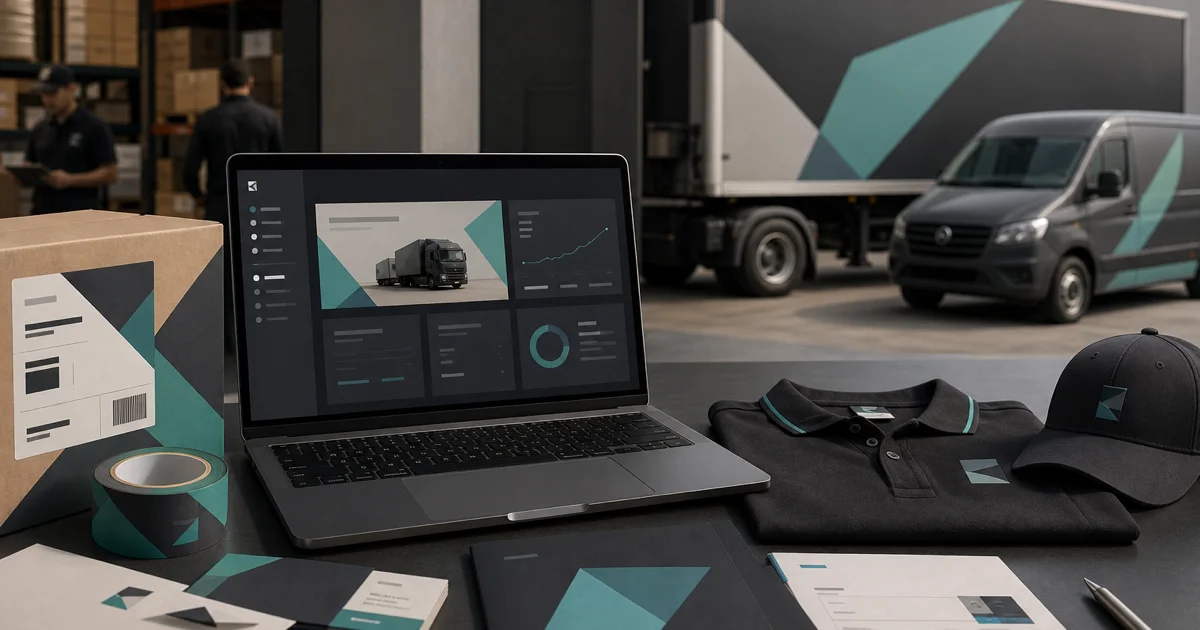
Regional LTL carrier rebrand
Service corridor pages, equipment specs, and quote funnel with rep routing by territory.
+48% qualified RFQs
3PL vertical landing program
Dedicated pages for food, retail, and automotive shippers with case study proof.
3× vertical organic traffic
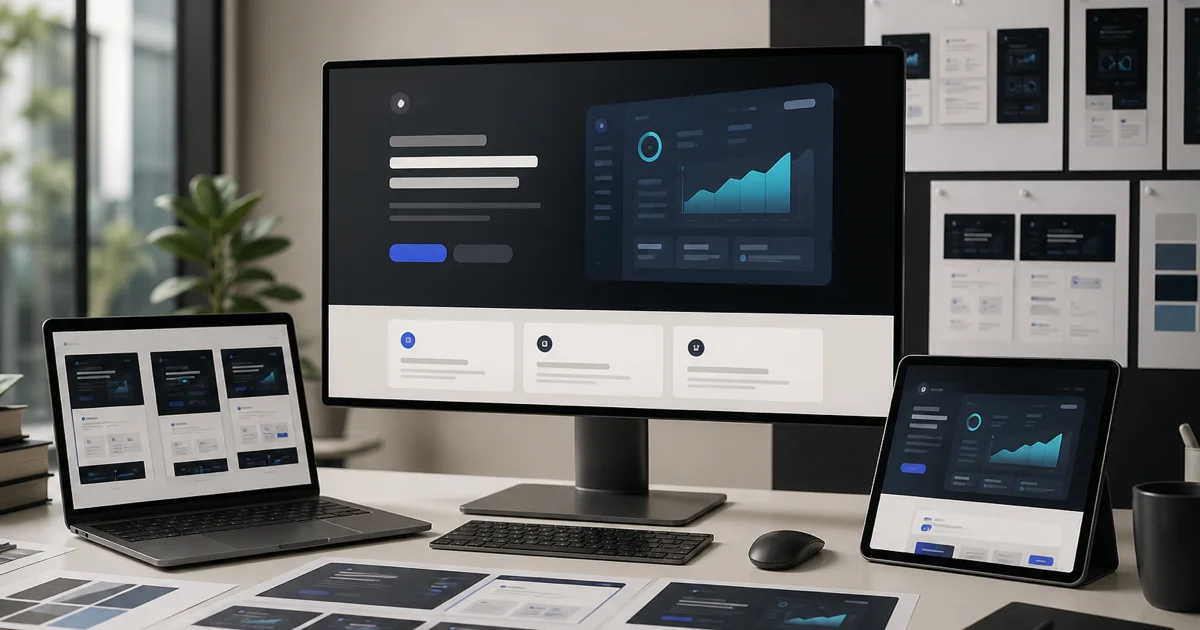
Fleet services local SEO
Location pages and GBP optimization for maintenance depots across six states.
2.1× map pack visibility
Our process
How we partner with transportation & logistics brands
01
Discover
Sector audit, competitor review, and buyer research — grounded in how your market actually decides.
02
Plan
Channel mix, messaging, and KPIs aligned to your industry's sales cycle and compliance needs.
03
Build
Web, campaigns, and content produced with sector-specific proof and conversion paths.
04
Grow
Optimize, report, and scale what works — with benchmarks relevant to your vertical.
Related sector
Logistics vs. retail & manufacturing marketing
Manufacturers market products through catalogs and distributors; logistics providers sell operational capability and lane expertise. If your buyers are evaluating SKUs and spec sheets rather than transit times and insurance limits, retail and manufacturing playbooks are a closer fit.
Related industries
Explore more sectors
Retail & Manufacturing
Product companies sell through distributors, big-box retail, marketplaces, and increasingly their own storefronts — ofte…
Banking & Financial
Financial buyers evaluate security, regulatory standing, and clarity long before they submit an application. We build co…
Flooring
Flooring buyers compare samples, read reviews, and visit showrooms before committing. We build the web, search, and camp…
FAQs
Common questions about transportation & logistics marketing
Do you work with carriers, brokers, 3PLs, and fleet services?
Yes. Asset-based carriers need equipment and lane focus; brokers need capacity marketing; 3PLs need vertical solution pages; fleet services need local discovery.
Can you help after a merger or rebrand?
Common scenario. We consolidate domains, redirect equity, unify location data, and align messaging so shippers aren't confused by legacy brands.
How do you qualify RFQs so sales doesn't waste time?
Progressive forms, required fields by service type, and routing rules that flag out-of-lane or under-spec requests before they hit a rep.
Do you create content for specialized compliance (hazmat, pharma)?
We develop pages highlighting your certs and processes — always reviewed by your compliance team before publish.
Can marketing improve our quote response time?
CRM SLA alerts, auto-acknowledgment emails, and routing automation help — but operational capacity to quote is still on operations and sales.
Is LinkedIn effective for logistics B2B?
For targeting supply chain, procurement, and operations roles — especially when paired with vertical landing pages, not generic homepages.
Do you support multilingual sites for cross-border operators?
Yes — scoped by market priority. hreflang, localized corridor pages, and compliance messaging per region.
What's the typical project timeline?
A capability site with RFQ funnel typically launches in 10–14 weeks. Campaign layers can go live in parallel once core pages exist.